
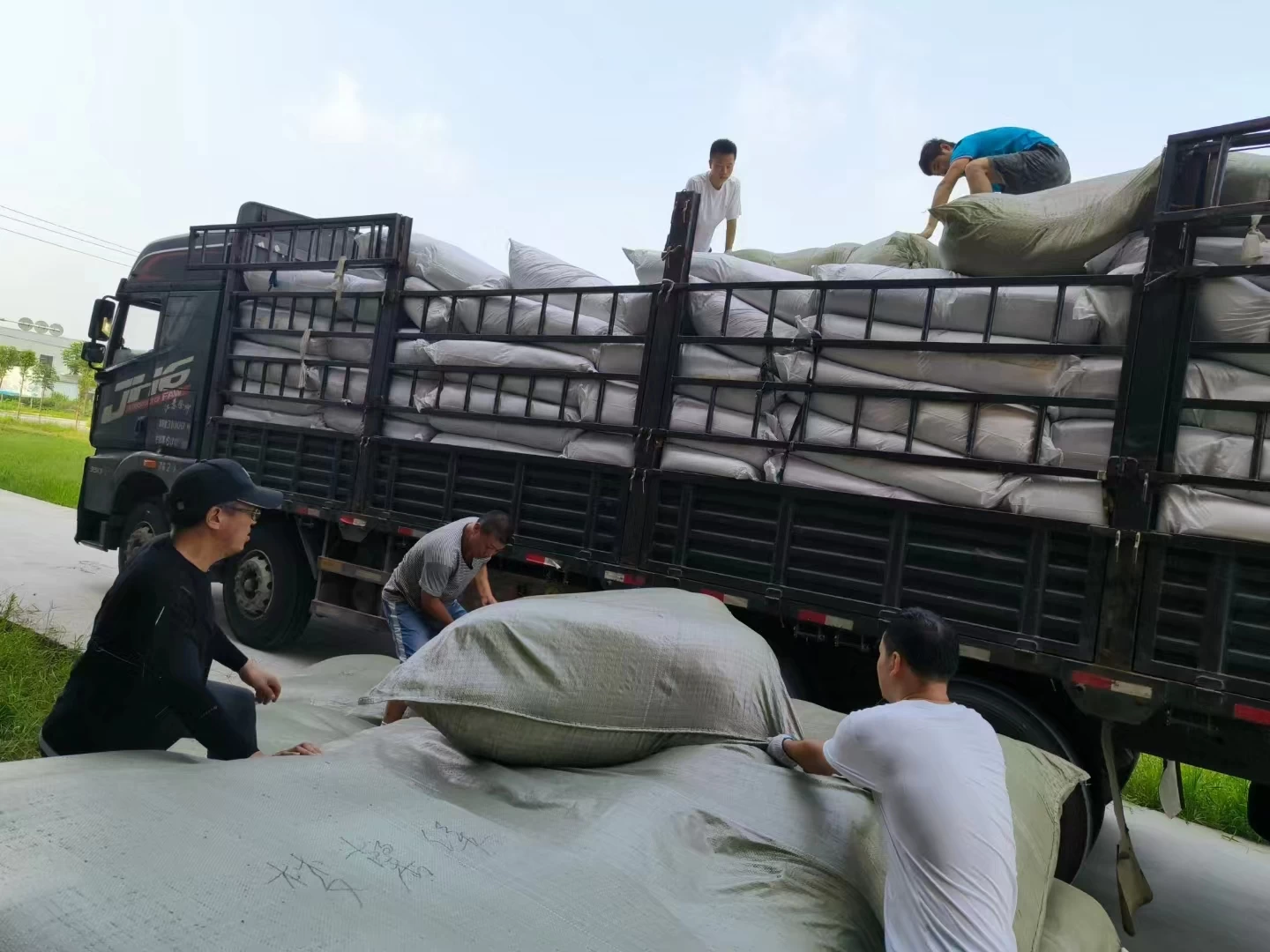
Four projects, four different failure modes — none of them a manufacturing failure in the narrow sense. In each case the article was made to specification and still created work, because something in the handover between sample, order and opening had not been pinned down.
These are drawn from our own cooperative projects in Guangdong and Guangxi: a hotel group opening several properties in sequence, a business hotel refurbishment, a serviced apartment conversion, and a retail store rollout that shared our production line with hotel work. The property names are on our cooperative cases page; the lessons below are what we changed afterwards.
Quick answer: In every one of these projects, the difference between a smooth delivery and a difficult one came down to four things fixed before production: a retained shade standard agreed in writing, a GSM tolerance band written into the order, an artwork and logo freeze date, and a delivery sequence tied to opening dates rather than to container dates. All four are cheap at the start and expensive at the end.
In this article
- The pattern behind all four projects
- Case 1 — Multi-property opening: the shade that drifted between batches
- Case 2 — Business hotel refurbishment: GSM drift nobody measured
- Case 3 — Serviced apartments: a logo change eight weeks before handover
- Case 4 — Retail and hotel on one line: the sequencing conflict
- The four things to freeze before production
- A rollout timeline that leaves room for the unexpected
- Frequently asked questions
The pattern behind all four projects
Hotel linen projects fail commercially far more often than they fail technically. The factories make acceptable goods; the complexity is in the fact that a hotel needs several articles, in several sizes, across several properties, by a fixed date, with a visual identity that has to look identical in every room.
Each of the four cases below is an instance of one of these four gaps:
| Gap | What goes wrong | Where it surfaces |
|---|---|---|
| Shade standard not retained | Batch two is matched to batch one by memory or by eye | Guest rooms in the same hotel look different under corridor lighting |
| Weight tolerance not written | GSM is quoted as a single number instead of a band, and the band is not met | Towels feel thinner than the approved sample; absorbency complaints follow |
| Artwork not frozen | A logo or border change arrives after fabric is woven or dyed | Rework, dead stock, or a mixed batch on opening day |
| Delivery tied to containers, not openings | Full containers arrive at once, weeks before the property can receive them | Storage costs, or a partial set on opening day |
Case 1 — Multi-property opening: the shade that drifted between batches
Project type: a group opening several properties in sequence, each with the same linen standard. Scope: bed linen, towels, bathrobes and pillows across the first two properties, with the remaining properties phased over the following months.
What happened. The first property received and approved its batch, and the second was produced six weeks later from a different fabric lot. The fabric matched the original swatch under the factory's inspection light, but under the warm lighting of the property's corridors the second batch read visibly cooler. Nothing was out of tolerance on paper. Everything was out of tolerance to a guest walking a corridor.
What fixed it. A retained standard kept at both ends — a physical swatch set sealed at approval and held by us and by the group — plus a light-source convention agreed in writing: which illuminant shade is judged under, and whether approval is given under that source or under daylight. Subsequent batches are matched to the sealed standard, never to the most recent delivery.
| Root cause | Consequence | Control added |
|---|---|---|
| Shade matched to the previous delivery rather than to the approved standard | Progressive drift across a phased rollout; the error compounds quietly | Sealed retained standard, held by both parties, for the life of the programme |
| Approval given under a different light source than the one guests experience | Agreement on paper, disagreement in the corridor | Named illuminant for approval, written into the order |
| No shade record by roll lot | Complaint cannot be traced to a mill lot or a production window | Gate 1 shade readings recorded per roll, shared with each batch |
Lesson. On a phased rollout, the standard has to live somewhere other than the factory's memory. A sealed physical swatch at the buyer's end is the cheapest insurance in the whole project.
Case 2 — Business hotel refurbishment: GSM drift nobody measured
Project type: refurbishment of an operating business hotel, replacing towels and bed linen floor by floor while the property stayed open. Scope: bath towels, hand towels, bath mats and bed linen sets, delivered in floor batches.
What happened. The approved sample was a strong, dense terry. The first floor batch was right. By the third floor the housekeeping team reported that the new towels felt lighter than the first delivery, and by the fifth the absorbency complaints started. Incoming fabric weight had been checked at Gate 1 for the first lot and spot-checked on later lots, and the spot check had been done on the outer rolls of each pallet.
What fixed it. Weight tolerance written as a band with an inspection rule attached — every roll weighed, not sampled; any roll outside the band quarantined and rechecked; the derived GSM recorded against the finished carton manifest so a floor batch can be traced back to fabric lots.
| What was specified | What was actually verified | Gap |
|---|---|---|
| GSM as a single target figure | A single roll per pallet weighed | No tolerance band, and sampling at the wrong level |
| Weight checked at incoming | Outer rolls only | Inner rolls of a pallet carry different lot conditions |
| Absorbency as an expectation | Not measured at all | The guest-facing symptom is tested last, if ever |
Lesson. Weight is the specification most likely to erode silently, because a 4% shortfall looks like nothing on the invoice and feels like everything in the bathroom. Put the tolerance in the order and the measurement in the incoming record.
Case 3 — Serviced apartments: a logo change eight weeks before handover
Project type: conversion of part of a building to serviced apartments under a new brand, with a fixed handover date. Scope: bed linen, towels and bathrobes with a woven logo on the towel border and an embroidered logo on the robe.
What happened. The brand was finalised later than the linen schedule assumed. Eight weeks before handover, the logo proportions changed — not the mark itself, but the way it sat within the border. Fabric for the towels had already been woven with the old border layout, and a portion of the robes had been embroidered.
What fixed it. An artwork freeze date written into the order, separate from the production start date, with a stated cost consequence for changes after it. The freeze covers the logo file, its scale and position, the border layout, label copy and care-label text. Everything before the freeze is free to change; everything after is a new order line.
| Item | Freeze point in the project | Cost if changed later |
|---|---|---|
| Logo file and proportions | Before border layout is set for weaving | Woven border becomes dead stock |
| Logo scale and position on robes | Before embroidery programme is set | Embroidered pieces need unpicking or replacement |
| Woven label and care label copy | Before label order is placed | Label reprint plus a re-labelling operation |
| Packing format and carton marking | Before cartons are printed | Carton reprint and repacking labour |
Lesson. Hotel projects run on two clocks — the brand clock and the fabric clock. The fabric clock is slower and less forgiving, and the only way to reconcile them is a written freeze date with a cost attached.
Case 4 — Retail and hotel on one line: the sequencing conflict
Project type: a retail store rollout that shared our production capacity with an active hotel linen programme. Scope: retail towel and bathrobe sets for new store openings, running alongside hotel orders already committed.
What happened. The retail rollout was quoted from a capacity estimate that assumed single-shift operation. When three store openings landed in the same month as two hotel deliveries, the line was re-sequenced, and the hotel delivery moved by nine days. Both customers were legitimate; both had fixed dates; the conflict was visible only in the arithmetic.
What fixed it. Capacity stated by article and by line, with the assumption behind it written down, and a booking convention: a delivery date is held against a named line for a stated window, and a change to that window is communicated as soon as the order book moves — not when the production plan is re-cut.
| Symptom | What it usually indicates | What to ask for |
|---|---|---|
| Delivery moved by days without warning | Order book exceeded the stated capacity | Capacity by article and line, with the shift assumption |
| Two projects competing for the same line | No booking convention | Named line and window reserved at order confirmation |
| Dates quoted but not held | Dates given from a template rather than a plan | A production start date, not just a shipment date |
Lesson. A supplier's capacity claim is only useful if it names the line and the assumption. "We can do 200,000 pieces a month" means nothing without the shift pattern and the article mix.
The four things to freeze before production
These four cover every failure above, and each one costs nothing to put in writing at the start of a project:
| Freeze | What it contains | Where it is held |
|---|---|---|
| Shade standard | Approved swatch set, the illuminant used for approval, and the record of readings per roll lot | Sealed swatch at the buyer; retained standard and Gate 1 records at the factory |
| Weight and dimension tolerance | GSM as a band, dimensions per size with tolerances, hem allowance, stitch density | Order specification, quoted line by line by the supplier |
| Artwork and label freeze | Logo file, scale and position, border layout, label copy, care text, with a freeze date and cost consequence | Order documentation, acknowledged in writing |
| Delivery sequence | Cartons per property or per floor, arrival windows tied to opening or receiving dates, partial shipments if needed | Production plan, with the named line and window |
A rollout timeline that leaves room for the unexpected
A single-property order can run on a short schedule. A rollout needs buffer placed where the risk actually is — not evenly distributed as "extra days" at the end.
| Stage | Typical duration | Where buffer belongs |
|---|---|---|
| Specification and sample | 3–7 days per article | Before approval: extra rounds of samples are far cheaper than a re-run |
| Sample approval and sealed standard | 3–5 days | Here — this is where shade and hand feel get settled |
| Fabric sourcing and incoming inspection | Varies by construction | At the fabric lot: confirm lot availability before releasing the cut |
| Bulk production | 15–30 days by article mix | Inside the line, via in-line inspection intervals, not as end-of-run padding |
| Final inspection and packing | 2–4 days | After inspection, for any sorting the lot requires |
| Shipping | 5–10 days to first property | Between the first and last container, if the opening date is fixed |
The practical rule we apply: buffer placed before a decision is cheap, buffer placed after a shipment is not. A project that needs a rush shipment has usually not run out of time — it has run out of early decisions.
Frequently asked questions
Can you supply a multi-property rollout in phased deliveries?
Yes, and for a rollout we prefer it. Each property or floor batch is packed and marked separately, with its own packing list, so the receiving team can allocate cartons without opening and re-sorting. Phasing also lets the shade standard and packing format be confirmed on the first delivery rather than on all of them.
Who owns the design of a logo border or embroidery programme?
The buyer owns the artwork; we own the translation of it into a weaving or embroidery programme and the sample that proves the translation. That is why the artwork freeze date matters — the programme is built from the file, and a change to the file invalidates the programme.
How much notice do you need for a change to an existing order?
It depends on the stage, and the honest answer is different for each: before fabric is woven or dyed, a change is usually absorbable within the schedule; after fabric is committed, it becomes a rework or a new order line; after packing, it becomes repacking labour. Our order documentation states the stage boundaries so a change can be costed in a day rather than negotiated for a week.
What information do you need to quote a rollout?
Four things: the article list with sizes and quantities per property, the bed and bathroom configuration per room type, the required arrival window per property, and any brand artwork that affects the border, label or embroidery. With those, we can return a phased production and delivery plan rather than a single lead time.
Do you work with hotels outside China?
Yes. Our export documentation and shipping arrangements cover the USA, UK, Germany, Australia, Japan, the Middle East and Southeast Asia, with shipments from Shanghai, Guangzhou, Ningbo and Shenzhen. The rollout lessons above apply regardless of destination — the freeze points are the same, only the transit stage changes.
Planning a rollout with several properties on one standard?
Send us the article list, quantities per property and the opening dates. We will come back with a phased production and delivery plan, the freeze points written into the order, and a sealed shade standard process so every property receives the same linen.
Related: the quality system behind these deliveries
The five inspection gates, what each one is designed to catch, and the records that travel with every batch — the plant-floor side of the case studies above.
Related: qualifying a factory before the first order
Twelve checks that predict delivery performance, from capacity arithmetic to post-visit responsiveness — the vetting process that would have surfaced all four problems earlier.
Related reading
For the quality system behind these deliveries — the five inspection gates, the defects each one catches, and the records that ship with every batch — read our plant-floor guide to ISO 9001 linen quality control.